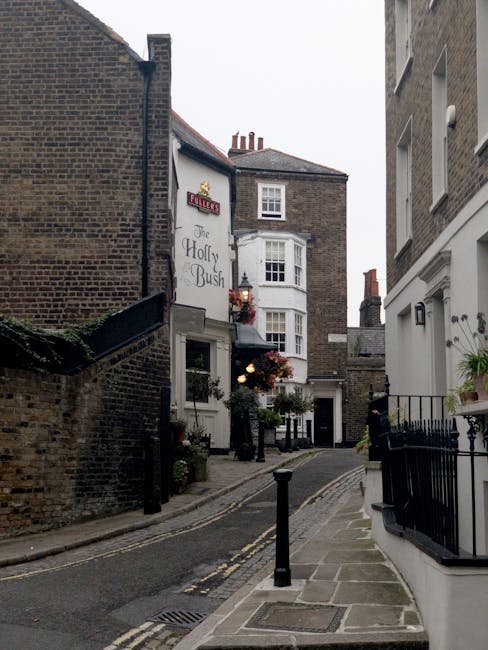
Burgh House Hampstead removals guide for antiques
Posted on 06/06/2026
Burgh House Hampstead Removals Guide for Antiques
If you are planning a move near Burgh House in Hampstead and you own antiques, you already know this is not a standard removals job. A chipped Georgian side table, a mirrored cabinet, or a fragile family clock can turn a simple moving day into a very careful operation. This Burgh House Hampstead removals guide for antiques walks you through the practical side of moving valuable and delicate pieces with less stress and fewer surprises.
Hampstead homes often hold character, and with character comes furniture that deserves proper handling. The aim here is straightforward: help you protect your antiques, choose the right moving approach, and avoid the mistakes that can turn a manageable move into an expensive regret. Let's face it, the last thing you want is to discover a hairline crack after the van has already driven away.
Why Burgh House Hampstead removals guide for antiques Matters
Burgh House sits in one of Hampstead's most distinctive pockets, where period properties, narrow access points, stepped entrances, and busy residential roads can make moving more complicated than the average postcode shift. Add antiques into the mix and the margin for error gets even smaller.
Antiques are not just old furniture. They can be structurally weaker than modern items, even when they look solid. Veneers lift. Joints loosen. Hand-finished surfaces mark easily. Some pieces are beautiful precisely because they are original, which also means they may not tolerate rough handling. A quick drag across a hallway floor can do more damage than an entire year of normal use.
This matters even more in a heritage-heavy area like Hampstead. A move here often involves careful route planning, protecting stairwells, and working around parking or access restrictions. If you are moving from a compact flat, a townhouse, or a property with awkward turns, planning is not optional. It is the difference between a clean move and a very long morning.
For broader moving support in the area, many people also look at general removals in Hampstead or more specific support such as house removals and furniture removals in Hampstead. Those pages are useful if your antiques are part of a wider move rather than a one-item job.
How Burgh House Hampstead removals guide for antiques Works
In practical terms, moving antiques well comes down to assessment, protection, lifting, transport, and placement. It sounds simple. It rarely is.
First, each item needs to be checked for size, weight, fragility, and weak points. A carved chair leg, glass panel, brass handle, or loose drawer can all change how the item should be packed. Then the right materials are chosen: wrapping, blankets, corner protection, crates, straps, and in some cases custom support.
Next comes the route. In Hampstead, that can mean checking whether a van can park close enough, whether there are stairs, whether a lift is available, and whether large items need to be carried through tight hallways. Sometimes it is not the antique itself that causes the problem. It is the doorway. Or the bannister. Or a tiny bend in the landing that seems to have been designed by someone with a grudge.
Transport is the final stage, but not the least important one. Fragile items should be secured so they cannot slide, tilt, or rub against harder surfaces during transit. On arrival, they should be unloaded carefully and placed where they will not be bumped while the rest of the move continues.
If you are comparing moving methods, you may also find the broader services overview helpful, especially if your antiques are just one part of a larger relocation plan.
Key Benefits and Practical Advantages
The obvious benefit is protection, but there are several less obvious advantages to doing antique removals properly.
- Reduced damage risk: Correct wrapping and loading lowers the chance of scratches, dents, and structural stress.
- Better confidence on moving day: You are not trying to guess whether that old mirror will survive the stairwell.
- More efficient handling: A planned move is usually quicker than an improvised one.
- Less disruption in the property: Good movers protect floors, walls, and door frames as they go.
- Safer lifting: Heavy antiques can be awkward, and awkward is where injuries start.
- Lower storage stress: If pieces need to be held temporarily, they can be stored in a way that keeps them stable and dry.
There is also the emotional side, which people sometimes forget. Many antiques are family pieces. A sideboard may have been in the house for decades. A clock may be tied to someone's memory. In that sense, the move is not just about transport. It is about care.
Expert summary: If an antique matters to you, treat the move like a preservation exercise, not a furniture shuffle. That one change in mindset improves almost everything else.
Who This Is For and When It Makes Sense
This guide is for anyone in Hampstead who needs to move antiques safely, but a few groups benefit especially:
- Homeowners moving from period homes or apartments near Burgh House
- Landlords helping tenants move inherited or valuable furniture
- Collectors relocating a mixed furniture and art collection
- Families moving heirlooms, dining sets, cabinets, or mirrors
- People combining antique items with a standard house move
- Anyone needing temporary storage in Hampstead before an item can be placed safely
It also makes sense if your antiques are in less-than-perfect condition already. Maybe a chair has a previous repair. Maybe a marble top has an old chip. That does not make it less worth moving, but it does mean the handling should be more deliberate.
If you are also moving from a smaller property, flat removals in Hampstead may be relevant, because flats often bring their own access challenges. And yes, those small staircases can be absolutely ruthless.
Step-by-Step Guidance
Here is a practical approach that works well for antique moves in and around Burgh House Hampstead.
- Inventory each item. Write down what you have, note any existing damage, and photograph each piece from several angles.
- Check dimensions and access. Measure the item, then measure hallways, doors, stair turns, and lifts. Do not guess. Guessing is how people end up trying to pivot a bookcase in a space that plainly says no.
- Decide what needs specialist handling. Glass, marble, mirrored furniture, veneered cabinets, grandfather clocks, and ornate chairs often need extra care.
- Choose the right materials. Use quality wrapping, blankets, corner protectors, and strong tape. Avoid anything that leaves residue on finishes.
- Disassemble only when sensible. Some items travel better in sections. Others are safer left intact. Remove loose shelves, trays, or detachable legs if appropriate.
- Label everything clearly. If drawers or fittings are removed, keep them together in labelled bags or boxes.
- Plan loading order. Heavy, stable pieces should be secured first. Fragile items should not be trapped underneath anything.
- Protect the route. Floors, bannisters, and corners should be covered if there is any risk of contact.
- Transport with restraint. Secure each item so it cannot move. A van should not sound like a moving china cabinet, even by accident.
- Unpack in the right order. Put antiques in a quiet, safe space first, then remove wrapping once you can handle them properly.
For packed items, the packing and boxes service can be helpful if you want more structured protection for smaller collectibles, decorative pieces, or fragile accessories.
Expert Tips for Better Results
Small improvements make a big difference with antiques. Truth be told, most damage comes from preventable handling issues, not dramatic accidents.
- Photograph before and after wrapping. This is useful for your own records and gives you a clear reference when unpacking.
- Use breathable protection where suitable. Not every antique should be wrapped in something that traps moisture for hours. If a piece is especially delicate, ask how it should be protected.
- Keep small parts together. Keys, screws, shelves, and fittings vanish faster than people expect.
- Do not over-tighten straps. A secure item is good; a crushed or stressed item is not.
- Avoid lifting from decorative sections. Carved tops, handles, and legs may look sturdy, but they are often the weakest points.
- Move one piece at a time. It slows things down slightly, but that is exactly the point.
- Ask for a dry, stable location if storing. Basements, damp sheds, or unventilated spaces are rarely ideal for antiques.
One of the simplest expert habits is this: always assume the most fragile part is the part you have not looked at closely enough. That sounds a bit dramatic, maybe, but it saves headaches.
If your move includes a high-value upright or similar item, it can also be worth reviewing piano removals in Hampstead because the handling principles are similar: weight distribution, route planning, and calm, controlled movement.

Common Mistakes to Avoid
Most antique moving problems are predictable. The good news is that means they are avoidable.
- Wrapping too late: Leaving packing until the van is waiting outside creates pressure and sloppy handling.
- Using the wrong material: Rough fabric, weak tape, or loose packaging can cause more harm than help.
- Ignoring previous damage: An old repair can become a new break if it is not handled carefully.
- Forcing oversized items through tight access: If it does not fit comfortably, forcing it is usually a mistake.
- Not checking insurance: You should know what is and is not covered before move day.
- Mixing antiques with heavy general goods: A lamp should not be sharing a load space with boxes of books if you can avoid it.
- Rushing the final placement: Setting a valuable piece down "just for now" is how dents and scratches appear.
And one more, if we are being honest: people often forget to measure the back route out of the property. Front door checks are good. But the hallway turn on the way out can be the real villain.
Tools, Resources and Recommendations
You do not need a warehouse full of equipment, but you do need the right basics.
| Tool or Material | Best Use | Why It Helps |
|---|---|---|
| Furniture blankets | Large wooden pieces, cabinets, tables | Softens impact and reduces surface scuffs |
| Corner protectors | Tables, frames, cabinets, mirrors | Protects the weakest edges during turns and loading |
| Bubble wrap or similar cushioning | Glass, ornaments, smaller decorative items | Helps absorb vibration and minor knocks |
| Straps and securing equipment | Transport stage | Keeps pieces stable during the journey |
| Labels and marker pens | Boxes, drawers, fittings | Makes reassembly and tracking much easier |
| Floor coverings | Entrance routes and hallways | Helps prevent marks on floors in both old and new properties |
In service terms, a reliable removal service in Hampstead should be able to explain how it handles fragile items, what packing support it offers, and how it approaches access issues. That conversation alone tells you a lot.
If you are comparing transport options for smaller antique loads, a man and van in Hampstead may suit some jobs, while a fuller removal van service can be better for several heavy pieces. The right choice depends on risk, size, and complexity rather than just speed.
Law, Compliance, Standards, or Best Practice
Antique removals are not usually about a single legal rule. They are more about responsible practice, sensible risk management, and clear service terms.
In the UK, the practical basics usually include the following:
- Clear written terms: You should know what the service covers, what extra charges may apply, and how claims are handled.
- Insurance awareness: Moving services commonly carry insurance arrangements, but the detail matters. Check what protection applies to your specific items.
- Safe manual handling: Heavy lifting should be done with appropriate care to reduce the risk of injury or damage.
- Reasonable packing standards: Items should be packed in a way that reflects their fragility and value.
- Transparent communication: If something looks risky, it should be discussed before the item is moved.
Best practice also means documenting condition before the move, especially for antique furniture, mirrors, or restored items. That is not about being distrustful. It is simply sensible. It creates a clear record and reduces awkward conversations later on.
You should also expect a responsible mover to take health and safety seriously. If that matters to you, have a look at the company's health and safety policy and insurance and safety information. Those pages help set expectations before you commit.
Options, Methods, or Comparison Table
Not every antique move needs the same setup. Here is a simple comparison to help you think clearly.
| Method | Best For | Strengths | Trade-Offs |
|---|---|---|---|
| Self-move with rented basics | Very small, low-risk items | Lower upfront cost, full control | Higher risk of handling mistakes, more physical effort |
| Man and van | One-off pieces or a small antique load | Flexible, practical for local moves | May not be enough for multiple bulky items |
| Full removals team | House moves with mixed furniture and antiques | Better coordination, more support with access and loading | Usually more involved to arrange |
| Temporary storage | Gaps between move dates or renovation delays | Useful when timing is messy | Requires good packing and climate awareness |
The right option depends on how many antiques you own, how fragile they are, and whether the move includes stairs, tight access, or timing pressure. If you need something fast, a same-day removals option in Hampstead may help in urgent situations, though antiques still need proper handling even when the clock is ticking.
Case Study or Real-World Example
Here is a realistic scenario, without dressing it up too much.
A Hampstead homeowner near Burgh House was moving a dining table, six chairs, two display cabinets, and a pair of framed mirrors from a top-floor property to a new house nearby. The route looked short on a map, which is usually where people get lulled into a false sense of security.
The first issue was access: the stairwell had a tight turn halfway down and the mirrors would not safely clear it unless they were carried vertically and protected along the edges. The second issue was the cabinets, which had loose decorative fittings and needed the doors secured before loading. The third issue was timing, because the buyer's keys were not released until later in the day, so the items had to be held safely before final placement.
The practical solution was simple but disciplined: measure the route, wrap the glass separately, secure fittings, use blankets and corner protection, load the larger pieces first, and use storage for a short gap until the property was ready. Nothing fancy. Just careful steps done in the right order.
That is often how good antique moves work. No drama, no heroics, no last-minute improvising while someone stands in the doorway saying, "It should fit, surely?"
Practical Checklist
Use this checklist before moving day. It is a boring little list, maybe, but it saves a lot of pain.
- Photograph each antique item from multiple angles
- Note existing chips, cracks, repairs, or loose fittings
- Measure the item and all access points
- Decide which items need specialist handling
- Gather suitable wrapping, blankets, and labels
- Remove or secure detachable parts
- Confirm insurance cover and service terms
- Protect floors, corners, and door frames
- Plan the loading order in advance
- Check where each item will be placed on arrival
- Arrange storage if there is a timing gap
- Keep keys, screws, and small fittings together
If you are still comparing moving support, the pages for removal companies in Hampstead and pricing and quotes can help you decide what level of support feels right for your load, your access, and your budget.
Conclusion
Moving antiques near Burgh House in Hampstead is really about respect: respect for the object, respect for the building, and respect for the process. When those three things are in place, the move becomes much calmer. You can protect old wood, delicate glass, and family heirlooms without turning the day into a scramble.
The best outcome is not just that everything arrives. It is that everything arrives well, with the character and condition intact. That is the standard worth aiming for, and it is entirely possible with proper planning.
Get a free quote today and see how much you can save.
And if you want a team that understands Hampstead moves and the care antiques require, start with a company page like about us or go straight to contact when you are ready to talk through the details. A good conversation at this stage can spare you a lot of guesswork later.