Flask Walk narrow access removals guide for Hampstead
Posted on 22/06/2026

Moving on or near Flask Walk in Hampstead can feel straightforward on a map and then suddenly very not straightforward once you see the staircase, the tight hallway, the awkward turn, or the van that simply will not glide up to the front door. That is the reality of narrow access removals, and it is exactly why a proper Flask Walk narrow access removals guide for Hampstead matters. The good news? With the right planning, the right vehicle choice, and a calm bit of sequencing, even a difficult move can be handled cleanly and without that last-minute panic that everybody dreads.
This guide walks through what narrow access removals actually involve, how they work in a Hampstead setting, and what you can do to avoid damage, delays, and unnecessary stress. It is aimed at homeowners, tenants, landlords, students, and anyone else dealing with a tricky access point. And yes, we will keep it practical. No fluff, no nonsense.
Why Flask Walk narrow access removals guide for Hampstead Matters
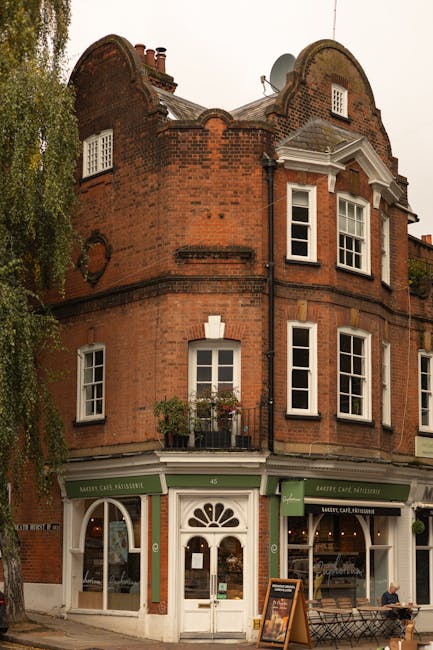
Flask Walk and the surrounding Hampstead streets often combine the two things removal crews look for least: character and constraint. Beautiful older buildings, compact entrances, basements, split-level layouts, shared stairwells, permit-sensitive parking, and narrow street approaches can all make an otherwise normal move much more involved. If you only plan for the destination address, you may miss the real issue, which is the route from van to front room.
That gap matters because removals are not just about lifting boxes. They are about protecting furniture, keeping walkways clear, preserving good relations with neighbours, and making sure the day runs on time. In a narrow-access job, a single missed detail can cause a domino effect: the van cannot stop where expected, carrying distances become longer, the team needs more hands, and fragile items spend more time in motion. One awkward turn and, well, the corner of a wardrobe has suddenly become everybody's problem.
If you are comparing moving options, it helps to think beyond just the load size. Local knowledge, access planning, and the ability to adapt matter a lot. You may find it useful to look at the wider services overview alongside dedicated options such as man with a van in Hampstead, man and van support, or the fuller range of removal services in Hampstead if the move is larger or more complex.
Expert summary: narrow access removals are won or lost in the planning stage. The better the access check, packing plan, and parking strategy, the calmer the actual moving day tends to be.
How Flask Walk narrow access removals guide for Hampstead Works
At its core, a narrow access removal is a move where the usual direct route from vehicle to property is compromised. That might mean a steep entrance, a long internal corridor, a tight staircase, a shared courtyard, or restricted van access. On Flask Walk, the challenge is often a combination of location, building style, and street geometry. You do not always need a huge lorry; in fact, that can make things worse. A smaller, more agile vehicle and a well-briefed team may be far more effective.
The process usually starts before the removal day. A good crew will ask about doorway widths, stair turns, lift availability, floor level, parking restrictions, and whether large items can be disassembled in advance. They may suggest a site visit, photos, or a video walk-through so they can judge the job properly. That is not overkill. It is common sense. A picture of the hallway taken in daylight can save a lot of guesswork at 7:30 in the morning when everyone is half awake and the kettle has not even boiled yet.
From there, the move is usually split into stages: arrival and access setup, protection of floors and walls, loading into the van, shuttling items through the tight point, and then careful reassembly at the new property. For many narrow access jobs, the difference between a smooth day and a messy one is whether the team understands how to work in short, controlled bursts rather than forcing speed. It is not glamorous, but it works.
For smaller or time-sensitive moves, a faster transport solution such as a removal van in Hampstead or same-day removals may suit the situation. For homes, the specific approach may vary, and house removals in Hampstead are often planned differently from flat removals because access patterns are rarely identical.
Key Benefits and Practical Advantages
The value of a narrow access removals plan is not just that it makes moving possible. It makes moving safer, more predictable, and less wasteful. That sounds obvious, but in practice many people underestimate how much time and money gets lost when access is treated as an afterthought.
- Lower damage risk: fewer forced turns, fewer collisions with walls, fewer last-second scrapes on bannisters and doors.
- Better time control: when access is mapped out properly, the crew can work to a realistic schedule instead of guessing.
- Less physical strain: carrying furniture over longer distances or up multiple tight stairs is harder on people and on the items themselves.
- Smarter vehicle choice: not every move needs the biggest vehicle available. Sometimes smaller is simply better.
- Cleaner neighbour relations: a well-managed move is quieter, tidier, and less disruptive. That matters more than people think.
There is also a practical money angle. If access is poor and the team arrives unprepared, you may need extra labour, extra time, or extra transport. If the route is planned properly from the start, those bumps are less likely. If you are already comparing costs, it can help to review pricing and quote options early in the process rather than waiting until the day before you move. Slightly boring, yes. Very useful, also yes.
For people moving delicate items, access planning can be the difference between a routine job and a stressful one. That is especially true for furniture removals in Hampstead and specialised work such as piano removals, where turning space and lifting angles matter a great deal.
Who This Is For and When It Makes Sense
This kind of move is relevant to far more people than just those living on a very narrow lane. If you are in a basement flat, a top-floor conversion, a period terrace with a tight stairwell, or a home where parking is awkward, you are already in narrow access territory. The same is true if your property sits on a street where a larger van cannot safely pull in close enough to the entrance.
It also makes sense for landlords coordinating tenant changes, estate agents helping buyers or sellers, students moving into shared accommodation, and businesses relocating from a cramped office suite. In Hampstead, moves can be a bit of a mixed bag: one job is a quick studio relocation, the next is a family house with a grand piano and a very determined antique cabinet. No two are the same, which is why a generic approach often falls short.
You may especially need this guidance if:
- your front door opens onto steps, railings, or a very narrow path;
- the property has shared access with neighbours or a managed building;
- the heaviest items are bulky wardrobes, sofas, beds, or instruments;
- parking outside the address is restricted or time-limited;
- you are trying to move in one trip rather than making several smaller journeys;
- you need storage while you work out the next stage of the move.
That last point is often overlooked. If access is tight and completion dates are not lining up neatly, a short-term holding option can save everyone a headache. In that case, storage in Hampstead can be a practical pressure release rather than a sign that the plan failed.
Students, in particular, tend to benefit from a nimble service because they may be moving with limited time, limited kit, and a few oddly shaped belongings that seem to multiply in the week before term starts. A focused option like student removals in Hampstead can match that reality better than a one-size-fits-all move.
Step-by-Step Guidance
Here is a clear way to approach a Flask Walk narrow access move without letting it become a logistical soap opera.
- Map the access properly. Measure doorways, stairs, landings, and any turns where large items may snag. Do not guess. Guessing is what creates embarrassment later.
- Photograph the problem points. Take pictures of the front entrance, staircase, hallway bends, and parking area. If there is a low ceiling or narrow bend, capture that too.
- Separate the furniture by difficulty. Put the tricky pieces first: wardrobes, sofas, mirrors, beds, desks, and anything fragile or oversized.
- Disassemble what can be safely broken down. Remove legs, cushions, shelves, and detachable parts before the day. Keep screws and fittings in labelled bags.
- Choose the right vehicle and crew size. A smaller vehicle may be faster on a tight Hampstead street than a large van that struggles to park.
- Protect the route. Use covers or floor protection where needed, especially on older finishes or polished surfaces.
- Load in the right order. Put awkward items in a sequence that avoids repeated lifting and rehandling.
- Allow buffer time. Narrow access jobs nearly always take longer than the same volume moved through a wide open property. That is just how it goes.
If you want the move to feel even more manageable, pair that planning with decent packing. Good boxes, strong tape, and sensible labelling all help. A quick look at packing and boxes in Hampstead can make the difference between tidy and chaotic, especially when rooms need to be carried in a sequence rather than all at once.
And for larger, more involved home transitions, the broader support of removals in Hampstead can be the right fit if you need a more comprehensive service rather than just transport.
Expert Tips for Better Results
In our experience, the best narrow-access moves in Hampstead tend to share a few quiet habits. Nothing fancy. Just smart basics done well.
- Measure twice, book once. If the staircase is tight, the measuring tape is your friend. A few centimetres can change everything.
- Think in routes, not rooms. People often focus on what is being moved but forget how it is actually leaving the property.
- Keep the essentials easy to reach. Kettle, documents, chargers, medication, and a change of clothes should not be buried under cushions and odd cables.
- Warn neighbours where appropriate. A bit of courtesy goes a long way, especially in shared buildings.
- Protect corners and delicate finishes. Older Hampstead properties can have beautiful but vulnerable details. Treat them gently.
- Be realistic about the number of trips. Sometimes two smaller loads are safer than one heroic attempt that turns into a wobble-fest.
One very practical tip: if you are moving during a busy part of the week, allow a little extra breathing space for parking and loading. By late afternoon, the street may be busier and the whole process a bit more fiddly. It is not dramatic, just real life.
If you are moving valuable or unusually heavy belongings, it may also be worth combining the move with specialist support. For instance, office removals in Hampstead often require different handling from domestic moves, and antique or fragile pieces may call for a more careful approach, especially if you have items similar to those discussed in this antiques-focused Hampstead guide.
Common Mistakes to Avoid
Most avoidable removal problems start with optimism that is just a bit too optimistic. Fair enough, nobody wants to sound defeatist. But if access is narrow, realism wins.
- Booking a van that is too large. Bigger is not always better if parking becomes impossible.
- Forgetting the inside route. The front step is only one obstacle; the hallway and stair landing may be the real issue.
- Not measuring large furniture. That beautiful wardrobe is not lovely if it cannot turn the corner.
- Leaving packing too late. Loose, poorly labelled boxes slow everything down and make loading messier.
- Ignoring access times or building rules. Managed blocks often have their own practical expectations, even if they are not dramatic about it.
- Underestimating the value of insurance and safety controls. If something goes wrong, you want the process to be clear.
Another common slip is assuming the cheapest quote will be the smartest choice. Sometimes it is, to be fair. But if a low price does not include the right vehicle, enough labour, or the time needed for a tight access job, you can end up paying more later through delay or damage. That is why it is wise to review insurance and safety information as part of the decision, not after the fact.
Also, do not ignore the role of clear paperwork. If you know your responsibilities, the process tends to be smoother. It is not glamorous reading, but terms and conditions and the company's approach to complaints handling can tell you a lot about how well a move is managed when things get tricky.
Tools, Resources and Recommendations
You do not need a truckload of gadgets to manage a narrow access removal, but a few tools make the job much easier. A good tape measure, furniture blankets, strong boxes, a label system, ratchet straps, and a basic toolkit can save a lot of fuss. Gloves help too. Not glamorous, I know, but useful.
Recommended practical resources inside the move plan include:
- Measuring tape: for door widths, stair turns, appliance clearances, and furniture dimensions.
- Box labels: colour coding works well if several rooms are being moved at once.
- Protective wrapping: for mirrors, artwork, table tops, and polished surfaces.
- Flat-pack tools: screwdrivers, hex keys, and small bags for hardware.
- Transport straps and blankets: useful for stable loading and protecting surfaces.
As for service choices, narrow access moves are usually best handled by teams that understand both small-space logistics and local streets. If you need something nimble, man and van support in Hampstead may suit lighter loads. If the move is larger, compare that with removal companies in Hampstead that can manage more inventory, more labour, and more planning around access.
For people who are trying to make sense of Hampstead as a place to live as well as a place to move, it can also help to read a local guide to Hampstead living or even a broader piece on finding your happy place in Hampstead. They give useful context on why properties here often need more thoughtful moving arrangements.
Law, Compliance, Standards, or Best Practice
For a move like this, the main compliance concerns are usually practical rather than dramatic. You are mostly looking at safe lifting, responsible parking, proper vehicle use, and sensible handling of property and belongings. In the UK, removal work should be carried out with attention to health and safety expectations, particularly where stairs, shared entrances, or heavy items are involved.
It is best practice for a removal provider to explain how they handle risk, how they protect homes and communal areas, and what happens if an item is damaged or cannot be moved as expected. You should also expect clear communication about access limitations, especially where a route is tight enough that two people cannot pass comfortably with an item in hand. That sounds obvious, but you would be surprised how often it is skipped.
Useful good practice includes:
- clear pre-move access checks;
- safe manual handling rather than rushing;
- protective coverings where needed;
- appropriate insurance arrangements;
- honest discussion of what the vehicle can and cannot do;
- realistic scheduling, especially in busy London streets.
If you want to understand how a provider thinks about these matters, their published policies can help. Pages such as health and safety policy, accessibility statement, and about us are useful indicators of how seriously they take process and customer care.
And because modern moving work increasingly involves care around disposal and reuse, it is sensible to ask how unwanted items are handled too. A thoughtful approach to recycling and sustainability can reduce waste, which is good for the move and better for the planet. Simple really.
Options, Methods, or Comparison Table
When you are facing tight access, the main question is not "what is the biggest vehicle available?" It is "which method fits the property and the load best?" The right answer depends on volume, item size, parking, stairs, and timing. Here is a simple comparison that helps people make the call.
| Method | Best for | Strengths | Watch-outs |
|---|---|---|---|
| Man and van | Smaller moves, lighter loads, quick turnarounds | Flexible, usually easier on narrow roads, efficient for a few rooms | May be less suitable for bulky furniture or multiple heavy items |
| Removal van | Moderate-sized home moves | Good balance between capacity and access | Parking and turning space still need careful checking |
| Full removals team | Larger homes, fragile items, layered logistics | More manpower, better for awkward items and stair-heavy properties | Needs more coordination and often more detailed planning |
| Storage-first move | When dates do not line up or access is particularly awkward | Reduces pressure and can break the move into stages | Requires extra coordination and additional handling |
For a narrow access address, the best option is often the one that reduces repeated handling. That is why some people choose a focused service from removal services in Hampstead rather than trying to improvise with a van that is technically large enough but practically awkward. Technical fit is not the same as real-world fit.
Case Study or Real-World Example
Picture a typical Hampstead move on a damp Thursday morning. Not pouring rain, just that soft grey London drizzle that makes every pavement feel a bit more slippery than it should. The property is a top-floor flat on a narrow street. The stairwell turns sharply halfway up, the hallway is compact, and the largest sofa has to take a careful angle just to get near the doorway.
Instead of pushing straight in with a large vehicle and hoping for the best, the move is planned in stages. The team arrives with the right van size, protection materials, and a short list of priority items. The sofa is measured beforehand. The bed frame is dismantled. Fragile boxes are loaded separately. The route from front door to van is kept as clear as possible, with one person managing movement while another keeps an eye on the stairwell. No chaos. No heroic wrestling match with the banister.
The move finishes on time, the walls are intact, and the residents are not left apologising to neighbours or scrambling to find replacement hardware. That is the quiet win people often underestimate. The success is not dramatic. It just feels calm.
For moves involving specialised objects, the planning becomes even more important. You can see the same principle in the Heath Street removals guide for Hampstead Village moves, where close quarters and local knowledge play a major role in keeping things smooth. Different street, same lesson: access planning saves the day.
Practical Checklist
Use this checklist a few days before the move. It keeps the essentials in one place and helps you spot problems early.
- Measure the main entrance, hallways, stair turns, and the largest furniture pieces.
- Take photos of the access route, especially the narrowest points.
- Confirm parking or loading arrangements as early as possible.
- Decide which items will be dismantled before the move.
- Label boxes by room and priority.
- Set aside essentials for the first night.
- Check whether storage might help if dates or access are awkward.
- Review insurance, safety, and any service terms before booking.
- Tell neighbours or building management if that is expected.
- Keep one person available to answer questions on the day.
If you are still comparing support options, it is worth looking at a reputable Hampstead removals service with experience in tight access homes rather than assuming every provider handles these jobs in the same way. They do not. Not even close, sometimes.
Get a free quote today and see how much you can save.
Conclusion
Flask Walk narrow access removals in Hampstead are all about preparation, patience, and the right kind of local know-how. If you plan the access route properly, choose a vehicle that suits the street rather than just the load, and pack with the actual building layout in mind, the whole move becomes far more manageable. That is the real takeaway. Not magic, just good judgement.
Whether you are moving a flat, a family home, a student room, or a collection of awkward furniture, the safest and least stressful approach is the one that respects the constraints of the property. Hampstead has plenty of character, and character often comes with quirks. A bit of planning turns those quirks into something workable.
And honestly, that is most of moving done well: one careful decision after another, until the last box is in place and the kettle can finally go on.